On April 2, 2025, Donald Trump launched “Liberation Day” tariffs — a 10?se rate on all imports and s
Trump Announces 'Liberation Day' Tariffs, Shakes Up Global Trade

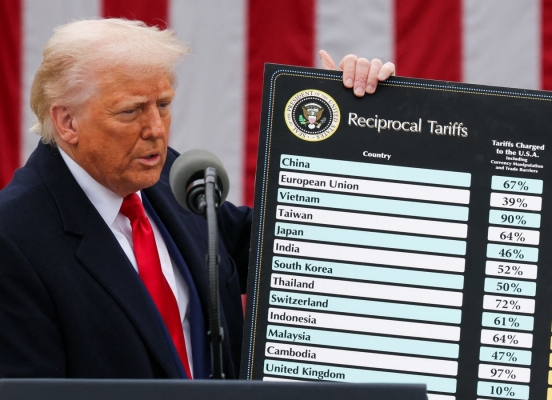
Washington D.C., April 2, 2025 — In a sweeping move to redefine the United States’ global trade policy, President Donald Trump unveiled a new tariff regime on Tuesday, labelling it “Liberation Day.” The initiative introduces a baseline 10% tariff on nearly all imported goods, with additional country-specific “reciprocal tariffs” imposed on nations that the U.S. claims have maintained unfair trade barriers against American products.
“Today, we are declaring economic independence,” Trump said in a televised speech. “If other countries want to tax American goods heavily, we will respond in kind — though we’re still being generous.”
Key Tariffs Announced
Under the new plan, a flat 10% tariff will apply to imports from all countries. However, higher tariffs — labelled as “discounted reciprocal tariffs” — will be levied on countries that impose steeper duties on U.S. goods. These additional tariffs are generally set at about half the rate of those countries’ current tariffs on American exports.
The announced tariffs include:
- China – 54% total (includes a 34% new tariff)
- Vietnam – 46%
- Sri Lanka – 44%
- Cambodia – 49%
- Taiwan – 32%
- Indonesia – 32%
- Switzerland – 31%
- South Africa – 30%
- Pakistan – 29%
- India – 26%
- South Korea – 25%
- Japan – 24%
- European Union – 20%
- Australia – 10% (baseline only)
These tariffs are set to go into effect on April 9, 2025.
Rationale and Objectives
Trump argued that these tariffs are a long-overdue response to decades of imbalanced trade deals that have disadvantaged American workers and industries.
“For too long, our leaders let other countries walk all over us. They taxed us, and we didn’t tax them back,” he declared. “Now, we’re standing up for American factories, farmers, and businesses.”
The move is part of Trump’s broader “America First” economic agenda, which aims to reduce the U.S. trade deficit, revitalize domestic manufacturing, and pressure foreign governments to lower their trade barriers.
Global Reaction
The global response to the announcement was swift and largely critical.
European Commission President Ursula von der Leyen condemned the move as “a major blow to the world economy” and warned of retaliatory tariffs. Japan and South Korea also expressed concern, with both governments signalling potential countermeasures. Australian Prime Minister Anthony Albanese described the tariffs as “unfriendly and unjustified,” particularly given the two nations’ traditionally strong alliance.
India, which faces a 26% tariff under the plan, has yet to issue a formal response but is reportedly reviewing its trade posture.
Market and Economic Impact
The announcement sent shockwaves through financial markets. Major indices fell sharply amid investor fears of a renewed global trade war. Analysts predict rising consumer prices in the U.S. as the cost of imported goods increases, along with potential supply chain disruptions.
While some American manufacturers praised the move, others warned that higher input costs could hurt domestic production in the long term.
As “Liberation Day” looms, all eyes are on how America’s trading partners will respond — and whether this bold move will recalibrate global commerce or provoke a wave of retaliation.

You may also like