The government's new low-interest credit card for microenterprises could be the financial lifeline m
Your next business loan could come on a card and cost half as much

For years, India's micro and small business owners have faced a painful paradox. They are the backbone of the economy, generating employment, driving local commerce, and keeping supply chains alive, yet when they need short-term funds to pay wages, restock inventory, or bridge a cash gap, they are often pushed toward credit that charges anywhere between 36% and 42% per annum. That is not credit; that is a trap. That may be about to change.
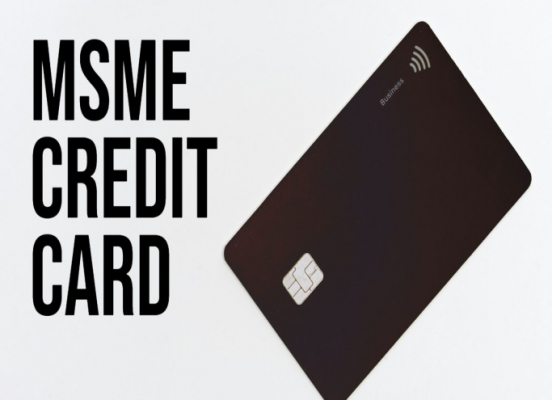
The central government is expected to roll out a low-cost credit card scheme specifically designed for microenterprises before the end of this month. If it launches as planned, it could fundamentally alter how India's smallest businesses access working capital and at what price.
What the Scheme Offers
At its core, the scheme proposes to give eligible microenterprises access to an unsecured credit card with a limit of up to ₹5 lakh. The interest rate on outstanding balances is expected to be capped at approximately 18%, roughly half of what conventional credit cards charge today. For a business owner who currently relies on informal credit or high-cost bank products, that difference in rate can mean the difference between staying afloat and sinking.
But the benefits go beyond just a lower rate. Cardholders will also benefit from a 30-day interest-free period on purchases, giving businesses a crucial window to receive payments before interest begins to accrue. For those who need more time, outstanding dues can be converted into equated monthly installments at rates in the range of 10–12%, making repayment more manageable and predictable.
Who Is This For?
The scheme is primarily aimed at microenterprises registered on the government's Udyam portal. Priority will be given to the smallest borrowers, including those who are already availing loans under the Pradhan Mantri Mudra Yojana (PMMY). Businesses in this category, which typically carry loan exposures of ₹15–20 lakh, will be able to use the card to access an additional ₹5 lakh in short-term liquidity without going through a fresh, lengthy loan application process.
Initially, banks are expected to offer the product to their existing customers, those with whom they already have an established credit relationship, before expanding access more broadly.
Why This Matters
One of the most persistent challenges for microbusinesses is the gap between when they deliver goods or services and when they actually receive payment. Large buyers often delay settlements by 60 to 90 days, leaving small suppliers scrambling to meet immediate operational costs. This forces many micro-unit owners to depend on high-cost, short-duration credit, effectively paying a penalty for someone else's delayed payment.
This credit card scheme is designed to address exactly that liquidity crunch. By offering a structured, affordable, and readily accessible credit instrument, the government hopes to reduce dependence on expensive informal borrowing and improve the overall financial resilience of microenterprises.
The Bigger Picture
To make the scheme work, the government plans to incentivise banks by covering issuance and processing costs for the first ten lakh cards issued. A one-time support of up to ₹500 per card may also be provided to help banks extend credit guarantees and absorb initial costs. The scheme is likely to be backed by established credit guarantee frameworks such as CGTMSE (Credit Guarantee Fund Trust for Micro and Small Enterprises) or CGFMU, which will help reduce default risk for lenders and enable them to price credit more competitively.
Economists and industry watchers estimate that if the scheme achieves meaningful utilisation, it could unlock between ₹25,000 crore and ₹50,000 crore in fresh credit for the MSME sector annually, a significant injection of productive capital into a segment that contributes nearly 30% of India's GDP.
What Small Business Owners Should Do Now
If you run a microenterprise and are registered on the Udyam portal, now is the time to ensure your credit records with your bank are in order. Since the scheme is expected to launch first for existing bank customers, maintaining a healthy relationship with your primary lender could give you early access.
The fine print, exact eligibility criteria, participating banks, and application processes will become clearer once the formal launch notification is issued. Watch for official announcements from the Ministry of MSME and your bank in the coming weeks.
For India's millions of micro-entrepreneurs, this could be one of the most practical and impactful policy interventions in recent memory. A card in your wallet, credit in your account, and a fighting chance to grow; that is what this scheme promises.

You may also like