India–US Reach Tariff Understanding, Boosting Export Prospects
- By Aggrima --
- Tuesday, 03 Feb, 2026

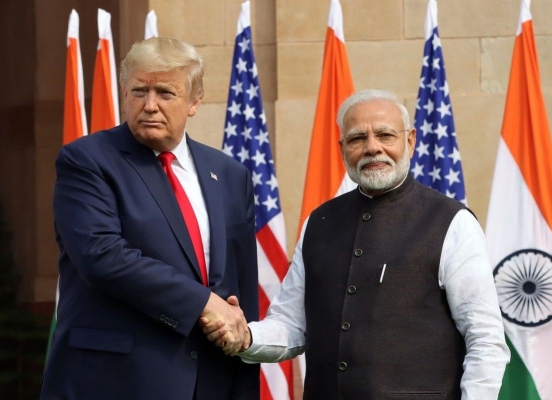
In a major relief for Indian exporters, India and the United States have reached an agreement to ease trade tensions, with Washington significantly cutting tariffs on Indian goods. Following a direct conversation between Prime Minister Narendra Modi and US President Donald Trump, duties on Indian exports to the US have been brought down to 18%, sharply reducing the cost pressure that had built up over recent months.
The move brings an end to a prolonged phase of trade friction, during which tariffs on Indian products had climbed as high as 50 per cent, hurting competitiveness across several key sectors. Industries such as textiles, apparel, engineering goods and seafood were among the worst affected, with many exporters, particularly micro, small and medium enterprises, struggling to retain orders in the American market. With the rollback now in place, Indian MSMEs are expected to regain lost ground and re-engage with US buyers more confidently.
As part of the understanding, India is also expected to withdraw retaliatory duties imposed on select American products, signalling a reciprocal and balanced approach to restoring stability in bilateral trade. The agreement reflects a broader intent on both sides to rebuild trust and move towards a more predictable and business-friendly trade environment.
Beyond the immediate tariff relief, the deal carries wider strategic undertones. The US administration has linked the agreement to India’s broader assurances on diversifying energy imports, including increased purchases from the United States, as well as deeper engagement in defence and agriculture. While official details from the Indian side remain limited, analysts see the move as part of a larger geopolitical and economic realignment shaping global trade and supply chains.
For India’s MSME sector, which accounts for nearly half of the country’s exports, the implications are significant. Lower tariffs improve price competitiveness, enhance buyer confidence and reopen opportunities for longer-term supply contracts with American importers. Labour-intensive sectors such as garments, leather goods, handicrafts and auto components are expected to benefit the most, especially those that had been squeezed out during the period of elevated duties.
Experts, however, point out that tariff relief alone will not guarantee success. MSMEs looking to tap into renewed demand from the US will need to remain focused on quality standards, compliance requirements and timely deliveries to convert this policy shift into sustained business growth.
Bilateral trade between India and the US has already crossed the $130-billion mark, making each country among the other’s most important trading partners. The tariff truce is expected to further strengthen trade flows, boost exporter sentiment and provide greater stability to global supply chains. Financial markets have responded positively, reflecting optimism around improved export prospects and a more stable trade outlook.
While the agreement offers immediate relief, long-term gains will depend on consistent policy follow-through and deeper engagement between businesses on both sides. For Indian MSMEs, the message is clear: the US market is once again more accessible and competitive, but preparedness and execution will determine who truly benefits from this renewed opening.

You may also like