From Paperwork to Platforms: How Digital Initiatives Are Empowering India’s MSMEs

India’s Micro, Small and Medium Enterprises (MSMEs) are often described as the backbone of the country’s economy and for good reason. They generate millions of jobs, contribute significantly to exports, and support economic activity in both urban and rural regions. Yet for many years, small businesses in India have had to operate in a challenging environment. Limited access to markets, delayed payments from buyers, lack of advanced technology, and complicated government processes have made it difficult for many MSMEs to grow and compete.
In recent years, however, the Government of India has begun focusing more seriously on solving these problems through digital platforms and technology-driven initiatives. The goal is simple: make it easier for small businesses to access government support, adopt modern technology, and resolve operational challenges without getting caught in layers of paperwork.
One important step in this direction is the launch of the MSME Technology Transfer Portal (MTTP) (https://innovative.msme.gov.in/). The platform was unveiled during the Fifth Meeting of the National MSME Council and aims to connect MSMEs with research institutions, innovators, and technology providers. In simple terms, the portal helps small businesses discover new technologies that they can adopt to improve their products or production processes.
Through the portal, MSMEs can explore technologies that are ready to be licensed, including expired intellectual property (IP) that can be freely used or adapted. Businesses can also access testing facilities, skill development resources, and technical support after adopting a technology. The platform uses automated tools to match MSMEs with relevant technology providers, making the process easier and faster. By helping small firms access innovation, the initiative is expected to encourage MSMEs to move toward higher-quality and more value-added products.
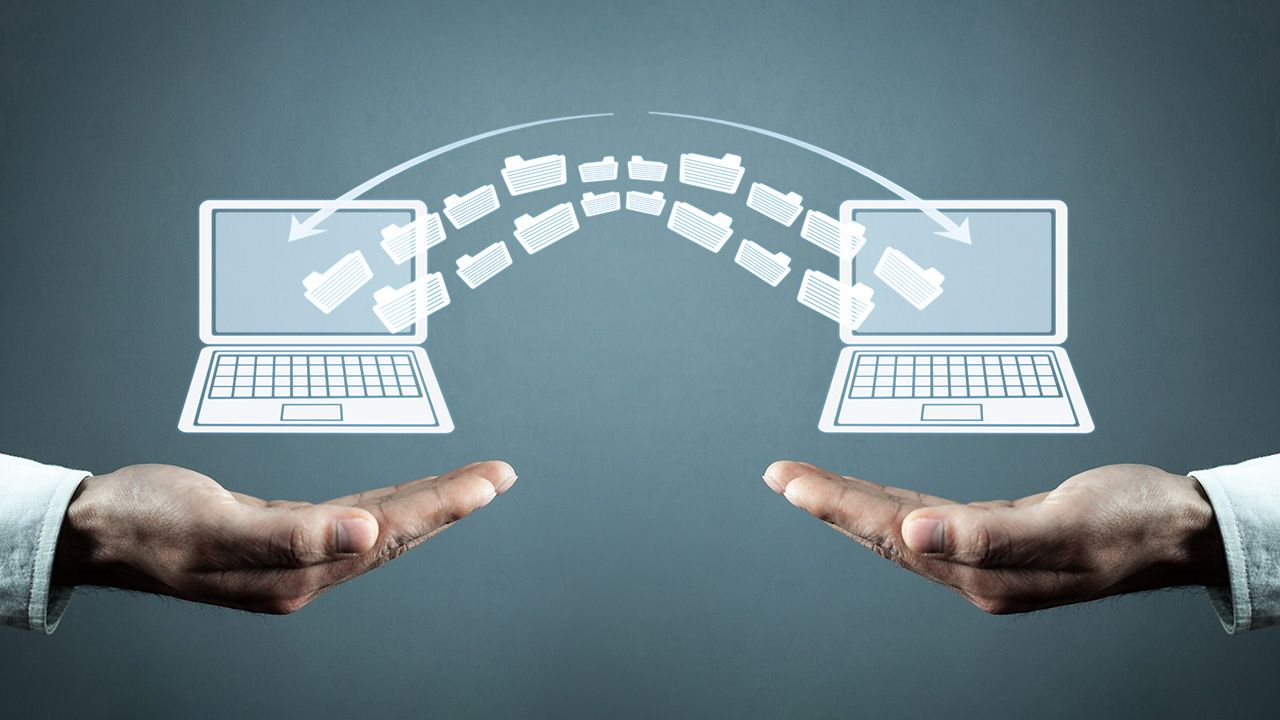
Another major initiative aimed at simplifying government services is the Udyami Bharat Portal (https://ubp.msme.gov.in/home), which has been envisioned as an Integrated National MSME Digital Portal or simply a “portal of portals.” Announced in the Union Budget 2022–23, the idea behind this platform is to bring together multiple government services related to MSMEs under one digital roof.
For many small businesses, dealing with different government departments can be confusing and time-consuming. The Udyami Bharat Portal attempts to solve this by providing a single interface through which MSMEs can access a range of services. These include Udyam registration, ZED certification, the LEAN manufacturing scheme, grievance redressal through the CHAMPIONS platform, the 59-minute public sector bank loan facility, and online dispute resolution mechanisms. The portal is also integrated with Bhashini to support multiple Indian languages, making it easier for entrepreneurs across the country to use the platform.
In addition, the portal is gradually connecting services from state governments as well. The first phase has already begun with states such as Uttar Pradesh, Maharashtra, and Sikkim joining the platform. As more states are integrated, the portal could eventually become a comprehensive gateway for MSMEs to access schemes, finance, training, and regulatory support in one place.
Delayed payments have long been one of the most serious problems faced by MSMEs. Many small businesses struggle because buyers especially larger companies which take months to clear invoices. To address this issue, the government has introduced an Online Dispute Resolution (ODR) mechanism (https://odr.msme.gov.in/#/) specifically designed for MSME payment disputes.
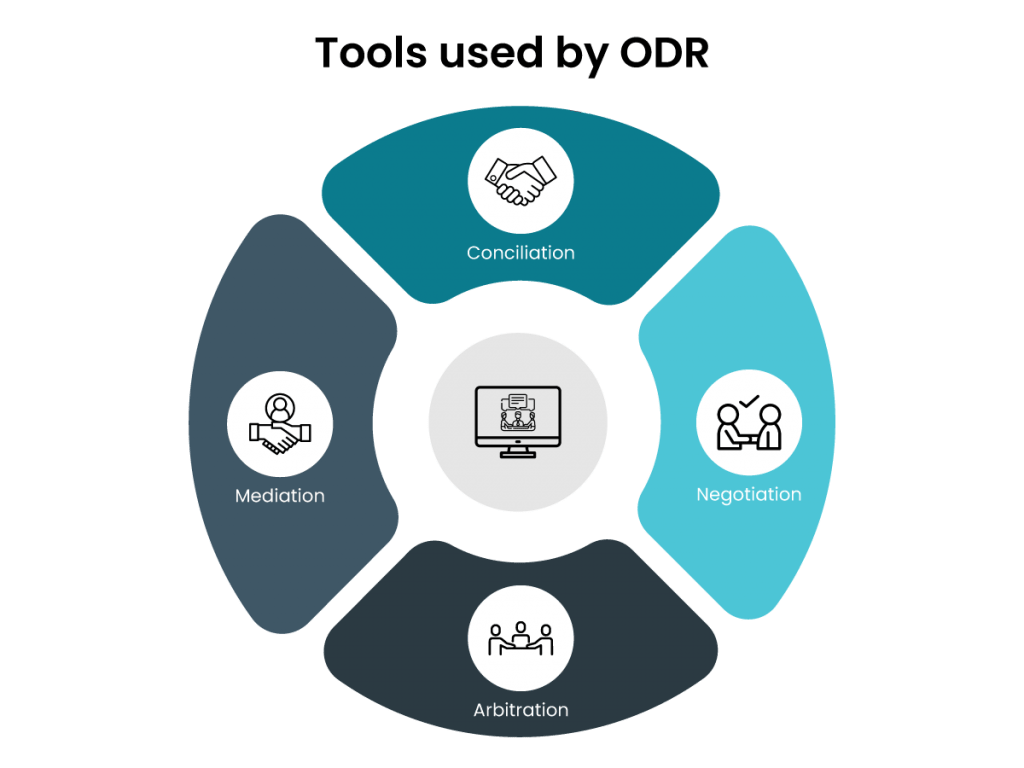
Launched in December 2023, the system allows businesses to resolve payment issues digitally without lengthy legal processes. The platform works alongside the existing MSME Samadhaan system and the Micro and Small Enterprises Facilitation Councils (MSEFCs) (https://samadhaan.msme.gov.in/MyMsme/MSEFC/MSEFC_Welcome.aspx). Through the ODR mechanism, disputes can be handled online in a more structured and time-bound manner.
The response to the platform has been encouraging. Since its launch, more than 13,000 cases involving over ₹3,000 crore have been registered. This suggests that many MSMEs are beginning to see digital dispute resolution as a practical way to recover pending payments and ease working capital pressures.
Taken together, these initiatives reflect a broader shift in the government’s approach to supporting MSMEs. Instead of relying only on subsidies or short-term relief measures, there is a growing focus on building stronger digital infrastructure that can simplify processes, promote innovation, and improve market access.
If these platforms continue to expand and are widely adopted by businesses, they could significantly transform the MSME ecosystem. By making it easier to access technology, government schemes, and financial support and by providing faster mechanisms to resolve disputes, India’s small businesses may find it easier to scale up, integrate with modern supply chains, and compete in both domestic and global markets.
In the long run, strengthening the digital foundations of the MSME sector will not only help individual businesses grow but also contribute to a more resilient and competitive Indian economy.

You may also like