At AI Impact Summit 2026, Ashwini Vaishnaw Positions IndiaAI Mission 2.0 for MSMEs

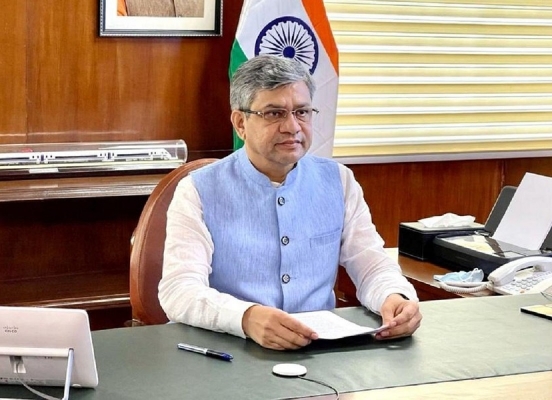
India is preparing to reposition artificial intelligence from a frontier technology to a mainstream business tool. At the India AI Impact Summit 2026, Union IT Minister Ashwini Vaishnaw outlined the broad contours of IndiaAI Mission 2.0, signalling a strategic shift toward making AI widely accessible, affordable, and operationally relevant particularly for Micro, Small and Medium Enterprises (MSMEs). The emphasis is clear: AI must move beyond experimentation and become embedded in everyday business functions.
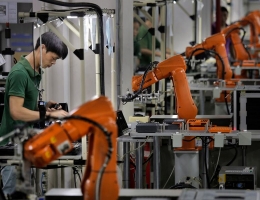
Mission 2.0 centres on the democratisation of AI. The government is working to build a structured ecosystem that allows MSMEs to access high-quality AI models, computing infrastructure, and ready-to-deploy solutions without prohibitive costs or complex technical barriers. The objective is to enable smaller enterprises to integrate AI into routine operations optimising manufacturing processes, strengthening quality control systems, improving customer analytics, and enhancing supply chain efficiency. By lowering entry thresholds, the mission seeks to convert AI from a capital-intensive investment into an operational utility.
A key pillar of the proposed framework is the development of a “UPI-style” AI platform, drawing inspiration from India’s digital public infrastructure success. The platform is expected to function as a trusted, interoperable ecosystem where verified AI tools can be accessed seamlessly. Plug-and-play solutions would allow MSMEs to integrate AI applications into existing workflows without deep in-house technical expertise. Such a model could standardise access, reduce fragmentation, and create a scalable digital marketplace for AI services.
Mission 2.0 builds upon foundational work undertaken in the first phase of the IndiaAI initiative. Significant investments have already been made in shared computing infrastructure, including the provision of tens of thousands of GPUs at subsidised rates. By pooling high-performance computing resources, the government has attempted to reduce structural barriers that prevent startups and MSMEs from developing or deploying AI solutions. Parallel efforts to develop sovereign AI models aim to strengthen domestic technological capacity and reduce reliance on external ecosystems.
Beyond infrastructure, the initiative places strong emphasis on research, skilling, and value-chain development. Universities and technical institutions are expected to play a central role in expanding AI talent pipelines. Support for semiconductor design, chip manufacturing capabilities, and energy-efficient data centres signals a broader ambition to anchor AI development within a resilient domestic ecosystem rather than depend solely on imported technologies.
For MSMEs, the implications could be substantial. Easier access to AI tools has the potential to improve productivity, reduce operational inefficiencies, and enhance competitiveness across domestic and export markets. If implemented effectively, IndiaAI Mission 2.0 could mark a transition from AI as a niche innovation domain to AI as a practical business enabler embedded in routine enterprise activity.

You may also like