Sensors and AI Take Centre Stage in MSME Digital Upgrade Push

India’s MSME digitalisation agenda is entering a more substantive phase, moving beyond basic compliance software and accounting tools toward shop-floor digitisation. A new government-backed initiative aims to equip manufacturing MSMEs with sensors, data analytics, automation, and artificial intelligence tools to improve productivity, quality consistency, and export readiness.
The initiative is part of a broader effort to align domestic manufacturing with global quality, traceability, and sustainability standards, amid rising scrutiny in export markets and increasing shipment rejections. Rather than focusing on end-stage inspections, the approach targets machine-level data capture and real-time monitoring, an area where most MSMEs currently operate with limited visibility.
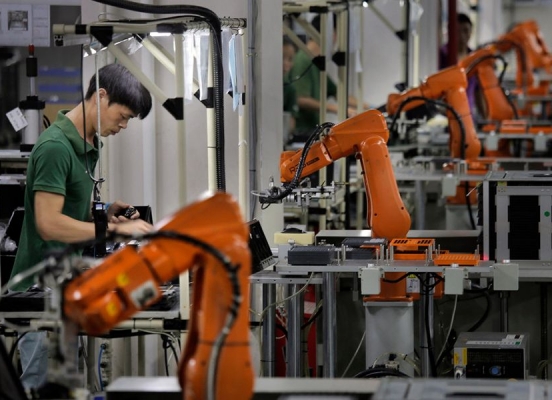
At the core of the plan is the deployment of plug-and-play digital factory tools including machine sensors, energy monitoring systems, and AI-enabled analytics that track performance, downtime, energy consumption, and maintenance requirements. These systems are designed to provide MSMEs with continuous operational data, enabling more stable output and reduced inefficiencies across production cycles.
The first pilot will be launched in Gujarat and will cover 750 identified manufacturing MSMEs under the World Bank–backed Raising and Accelerating MSME Performance (RAMP) scheme. Implementation will be overseen by the National Productivity Council (NPC), with technology deployment handled by startups empanelled by the Department for Promotion of Industry and Internal Trade (DPIIT). These technology providers will be responsible for installation, analytics, and ongoing support, lowering adoption friction for participating enterprises.
A key policy insight emerging from this initiative is the recognition that MSME competitiveness is constrained not only by access to finance or markets, but also by structural inefficiencies inside factories. Limited insight into shop-floor operations often leads to inconsistent quality, unplanned downtime, higher energy costs, and reactive maintenance—issues that directly affect delivery reliability and buyer confidence in global markets.
By standardising basic digital monitoring across machines, the programme seeks to address these systemic gaps. The emphasis on energy efficiency, traceability, and real-time performance data also aligns with tightening international norms on sustainability and production transparency, particularly in manufacturing exports.
Importantly, the design of the initiative reflects a shift in how digital adoption is being approached in MSME policy. Instead of treating technology as an optional upgrade, digital tools are increasingly being positioned as foundational infrastructure for manufacturing competitiveness. The standardised design and subsidised deployment model indicate an intent to scale digital tools across clusters once benefits become visible.
In policy terms, this marks a transition from fragmented digital adoption toward structured, outcomes-linked digitisation of MSME production systems. If scaled effectively, such interventions could play a significant role in reducing quality-related export barriers, improving productivity benchmarks, and integrating MSMEs more deeply into global value chains.
The initiative underscores a broader recalibration in MSME strategy where data, sensors, and AI are no longer peripheral enhancements, but central to sustaining growth, resilience, and export competitiveness in an increasingly demanding global market.

You may also like