India's Role in Manufacturing Global Trade

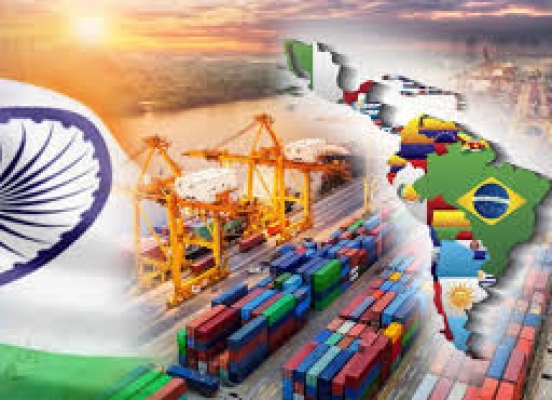
India aims to achieve developed – economy status (Viksit Bharat) by 2047, requiring strong manufacturing and deeper integration into global supply chains. With a large workforce, 1.4 billion consumers, and strategic infrastructure growth, its potential is vast. However, restrictive labour laws, protectionist policies, and political hurdles hinder investment and reforms. Success depends on balancing trade openness and with strategic industrial growth.
Destiny Shaping Deals
India’s non – alignment is a strategic trade advantage, offering stability amid global economic fragmentation. Surveyed executive (80%) neutral countries as key trade hubs, driving Indian firms to diversify supply chains. Since 2020, India has pursued FTAs to expand market access, including deals with the United Arab Emirates, Australia and Scandinavia. These agreements support supply – chain diversification, attract investment, and strengthen India’s role in global trade.
India’s trade strategy has gaps. While recent agreements signal its intent to expand influence, they remain limited, focusing on traditional exports like textiles and pharmaceuticals. However, they lack integration into high – value supply chains, such as electronics and green tech. To counterbalance China, India must prioritize these sectors. India’s protectionist policies aimed at boosting manufacturing might backfire. In 2024, a 30% duty on circuit boards raised costs for electronic producers, hurting global competitiveness. The 2023-2024 budget also imposed a 20% tariff on solar inverters, contradicting India’s green goals. Past budgets have similarly increased tariffs on electronics and industrial inputs, restricting growth and instead of fostering it.
Make in India
Indian businesses are ramping up domestic production, with 27% shifting supply chains to India, compared to 20% globally. Supporting the local economy and job creation is a key driver, aligning with the “Make in India” initiative. The PLI Scheme, launched in 2020, has boosted export – oriented manufacturing, benefiting firms like Apple and driving 42% rise in smartphone exports in 2024. However, labour – intensive sectors like textiles have stagnated due to bureaucratic hurdles and complex regulations. To stay competitive, Indian supply – chain executives are increasingly leveraging technology.
Tech Optimism in India
Indian firms are turning to technology to tackle manufacturing challenges, with 47% using digital tools for inventory management – above the global average of 37%. Automation is also helping address labour shortages, with 65% of executives leveraging it compared to 54% globally. However, infrastructure gaps remain a hurdle, with delayed freight corridors and inadequate ports slowing progress. While India’s digital transformation boosts its manufacturing potential, aligning tech adoption with infrastructure development is crucial for long – term success.
Sustainability as a Priority
Sustainability has not been a priority for Indian businesses., but climate change is shifting focus. 77% of Indian executives say sustainability in supply chains had grown in importance, compared to 62% globally. Climate impact (40%) and regulations (37%) are key drivers. Extreme weather events, like Assam’s 2024 heatwaves and floods disrupting tea production, and 2023 rains affecting pharma and logistics, highlight the need for climate resilience. Businesses must adapt, and the government should enhance disaster management and climate strategies.
Roadmap to 2047
India’s goals are clear, but the path remains uncertain. While trade deals and manufacturing growth show progress, protectionism and rigid regulations hinder competitiveness. To reach developed – economy status by 2047, India must prioritize openness, high – end sector investment, and deeper – global supply chain integration. Success is possible – but only with a unified, long – term reform strategy.

You may also like