Empowering MSMEs: Unlocking India’s Trillion-Dollar Manufacturing Potential

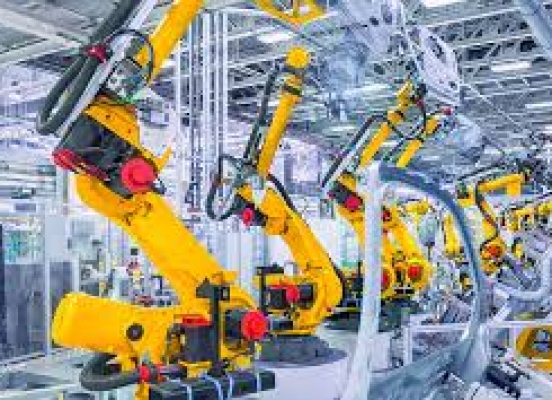
India stands on the brink of a manufacturing revolution, poised to become a global manufacturing powerhouse. The country's remarkable achievement of becoming the second-largest smartphone manufacturer globally, producing over 2.5 billion phones in the last decade, is a testament to its burgeoning manufacturing capabilities. This transformation spans diverse sectors, including electric vehicles, semiconductors, electronics, renewable energy, and defense. With government initiatives like "Make in India," the manufacturing sector aims to boost its GDP contribution from the current 17% to 25% by 2025, setting the stage for India's manufacturing market to reach the $1 trillion milestone by 2025-26.
The Backbone of India's Economy: MSMEs
Micro, Small, and Medium Enterprises (MSMEs) are the unsung heroes driving this manufacturing renaissance. Contributing 33% to the manufacturing output, these enterprises are crucial to realizing the vision of a trillion-dollar manufacturing output and, ultimately, a $5 trillion economy by 2025. Often dubbed "the engine of growth," MSMEs significantly impact employment, GDP, and exports, making them indispensable to India's economic progress.
Employment generation is one of the most critical strengths of MSMEs, providing livelihoods to over 111 million people through 63 million enterprises. This vast employment base underscores their role in supporting livelihoods and mitigating unemployment. On the global stage, MSMEs are pivotal to India's trade ecosystem, contributing over 49% of the country's total exports. Their versatility and innovation, producing over 8,000 value-added items from traditional handicrafts to high-tech goods, highlight their ability to adapt and meet market demands effectively.
Promoting Regional Development and Reducing Disparities
Beyond their economic contributions, MSMEs play a vital role in promoting regional development and reducing socio-economic disparities, especially in rural and underserved areas. These enterprises generate local employment opportunities, improve livelihoods, and reduce poverty. By offering training to local workers, MSMEs enhance employability, increase regional economic capacity, and boost living standards. This grassroots impact underscores the importance of MSMEs in fostering inclusive growth and balanced regional development.
Overcoming Challenges for Sustainable Growth
Despite their significant contributions, MSMEs face challenges such as limited access to finance, infrastructure bottlenecks, skill gaps, low adoption of advanced technology, and logistical limitations for last-mile deliveries. Overcoming these obstacles is crucial for placing MSMEs on a sustainable growth path.
Leveraging Technology
Technology is a key lever for enabling MSMEs to achieve sustainable growth. Adopting digital tools and platforms can enhance operational efficiency, reduce costs, and improve product quality. Advanced technologies such as cloud computing, artificial intelligence, and the Internet of Things (IoT) enable better inventory management, streamlined supply chains, and data-driven decision-making. E-commerce platforms expand market reach, allowing MSMEs to access global markets and increase sales. Digital payment systems and fintech solutions simplify financial transactions and improve access to credit. Overall, technology empowers MSMEs to innovate, compete effectively, and grow sustainably in the dynamic business landscape.
Empowering MSMEs Through Accessible Financing
Empowering MSMEs through accessible financing involves simplifying loan processes, leveraging technology, and exploring alternative funding sources. Simplifying loan application processes by reducing bureaucratic red tape and documentation requirements can make it easier for MSMEs to apply for and receive loans. Implementing online application portals can expedite the loan application and approval process, making it more convenient for MSMEs to access funds.
Exploring alternative financing options like venture capital, angel funding, and crowdfunding can help MSMEs scale their operations and bring new products to market. Strengthening microfinance institutions (MFIs) can provide microloans to small businesses, especially in rural and semi-urban areas where traditional banking services may be limited. Developing loan products tailored to the specific needs of MSMEs, such as short-term working capital loans or equipment financing, can better support their growth.
Building Supply Chain Resilience
Building resilient supply chains is crucial for MSMEs to sustain and thrive amid disruptions. A robust supply chain ensures businesses can maintain operations during economic shocks, natural disasters, or unforeseen events, mitigating risks and minimizing downtime. The COVID-19 pandemic highlighted vulnerabilities in global supply chains, particularly for MSMEs dependent on distant suppliers.
Local sourcing shortens supply chains, supports local economies, and reduces carbon footprints. It creates opportunities for local businesses and contributes to national economic stability, reducing vulnerability to external shocks. Collaborative efforts within industry clusters can enhance resilience, allowing MSMEs to share resources, information, and best practices.
Final Thoughts: Empowering MSMEs for India's Economic Future
MSMEs are pivotal to India's economic growth and the manufacturing sector's vitality. Their contributions to employment, GDP, and exports are crucial for reducing regional disparities and fostering entrepreneurship. As we work towards creating environments that support MSMEs and drive financial inclusion, it is imperative to strengthen their ability to withstand hard times and build sustainable supply chains that benefit workers and respect the environment. By empowering MSMEs, India can realize its vision of a robust trillion-dollar manufacturing sector, fueling economic prosperity and sustainable development.

You may also like