Challenges and Trends Shaping India's MSME Sector in 2023

India's pursuit of a USD 5 trillion economy heavily relies on the significant contribution of USD 2 trillion from Micro, Small and Medium Enterprises (MSMEs). Despite grappling with delayed payments and debt issues, the sector is on the path to recovery in 2023, aided by government policies and industry support. With 64 million MSMEs contributing 29% to the GDP and 46% to exports, they remain a crucial employment source.
Key Trends in 2023:
Government Initiatives:
- The Union Budget 2023-2024 infused Rs 9,000 crore into the credit guarantee scheme for MSMEs.
- Some MSMEs withdrew Udyam registration, citing business shutdowns and alleged pressure from large corporations.
Gender Inclusion:
- The share of women among MSMEs on the Udyam portal reached 37% in 2023.
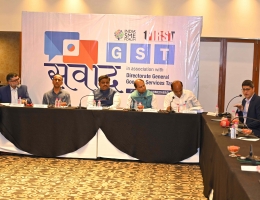
GST Reforms:
- Evolving GST systems aim to simplify filings and formalize MSMEs, contributing to ease of doing business.
Debt and Delayed Payments:
- Payment delays persist, with an estimated Rs 10.7 lakh crore locked up, affecting MSMEs' growth.
- MSMEs face challenges accessing timely and sufficient credit, impacting their growth strategies.
Technology Adoption and E-commerce:
- Technology, including GST records, transforms credit assessment, yet only 15% of MSMEs have credit access.
- MSMEs not integrated with e-commerce platforms face challenges in market access, creating potential inequities.
Future Outlook:
- Financial inclusion efforts show promise, with MSMEs receiving 14% of aggregate credit in 2023.
- E-commerce is expected to grow in 2024, with MSMEs leveraging online platforms gaining a competitive advantage.
The MSME sector is adjusting to technological advancements and governmental initiatives, even if obstacles still exist, such as delayed payments and restricted access to finance. In order to achieve recovery, structural problems must be addressed, gender inclusion must be encouraged, and digital integration must be advanced for long-term progress.

You may also like