What the India–Oman trade agreement means for Indian businesses
India–Oman CEPA: Powering Exports, MSMEs and Energy Security

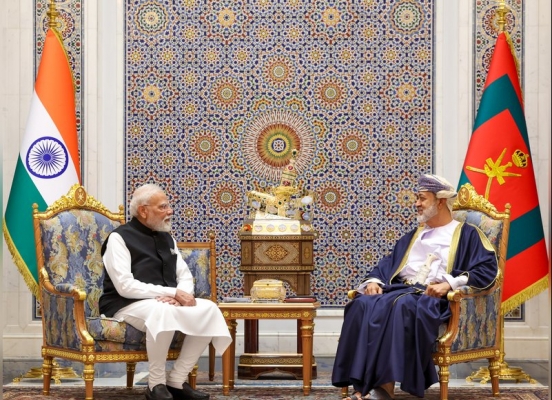
India and Oman have signed a Comprehensive Economic Partnership Agreement (CEPA) to strengthen trade, investment, and overall economic cooperation. This agreement is designed to make cross-border business easier by reducing trade barriers and improving market access. A key objective of the CEPA is to boost Indian exports, support MSMEs, and strengthen India’s energy security. For Indian entrepreneurs, especially exporters and small businesses, this agreement opens up new opportunities in the Gulf region.
Trade Potential That Remained Untapped:
Earlier, trade between India and Oman existed but faced several challenges. Indian exporters had to deal with high import duties, complex documentation, and limited access to the Omani market. MSMEs found it difficult to compete with exporters from countries that already had free trade agreements with Oman. Energy trade was also affected by price volatility, and India had limited negotiating power without a comprehensive trade framework. As a result, India’s export potential to Oman remained underutilised.
Effect of This Agreement:
With the CEPA in place, Oman will offer zero or very low customs duty on more than 98 percent of Indian products. India will also reduce duties on a large number of Omani goods. This will make Indian products more affordable and competitive in the Omani market. The agreement also improves access for Indian service providers in areas such as IT, healthcare, education, engineering, and business services. Stronger energy cooperation under the CEPA will help India secure stable and cost-effective energy supplies.
Why This Deal Works in Favour of Indian Businesses:
The agreement will reduce export costs, improve market access, and simplify trade procedures, which is especially helpful for MSMEs. Lower duties mean better pricing and higher margins for exporters. Stable energy imports will support manufacturing and industrial growth in India. The CEPA also strengthens India’s position in the Gulf region, with Oman acting as a strategic gateway to markets in the Middle East and Africa.
Indian MSMEs stand to gain significantly from this agreement. Sectors such as textiles, garments, leather products, engineering goods, gems and jewellery, food products, and handicrafts are expected to see increased demand. Service-based entrepreneurs can explore opportunities in IT services, consulting, healthcare support, training, and education. The agreement also provides greater flexibility for Indian companies to deploy skilled professionals in Oman. MSMEs can use Oman as a regional hub, expand buyer networks, increase export volumes, and grow their businesses with lower risk and better support.
The Bottom Line for Business:
The India–Oman CEPA makes exporting easier, cheaper, and more secure for Indian businesses. For entrepreneurs and MSMEs looking to expand globally, this agreement provides the right platform to enter new markets, increase exports, and achieve long-term growth.

You may also like