How the global shift towards sustainable aluminium can strengthen India’s MSME Manufacturing system
Low Carbon Aluminium: A game-changing opportunity for India’s MSME secondary sector

India’s secondary aluminium sector, dominated by thousands of micro, small, and medium enterprises, has long operated under challenging conditions. These MSMEs supply crucial components to the automotive, electrical, construction, and packaging industries, yet their growth has been restricted by the high and unstable cost of primary aluminium. With global aluminium prices constantly fluctuating, small manufacturers often face unpredictable input costs and limited bargaining power, affecting planning and profit stability.
Additionally, MSMEs frequently receive lower priority in raw-material allocation compared to larger industrial buyers, leading to supply uncertainty and production delays. The global shift toward sustainability has added further pressure. Many export markets now require low-carbon or environmentally certified aluminium in finished products. However, most Indian MSMEs still rely on conventional metal without certified low-carbon credentials, limiting access to international value chains. As competitors abroad invest in greener technologies, Indian MSMEs find themselves at a crossroads, eager to scale but constrained by cost, quality, and sustainability gaps in raw material supply.
Global Low-Carbon Aluminium Producers Show Growing Interest in India
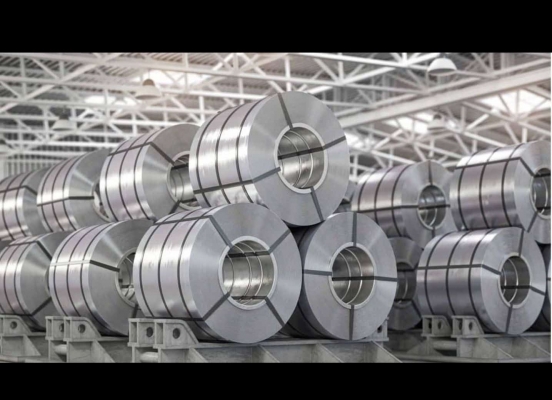
Against this backdrop, several major global aluminium producers particularly those known for manufacturing low-carbon aluminium using renewable energy sources such as hydroelectric power, are showing increased interest in the Indian downstream sector. Their low-carbon aluminium products, often carrying international sustainability certifications and traceability standards, offer a significantly smaller carbon footprint than the global industry average.
This growing alignment between global producers and India’s manufacturing ambitions signals a major shift. India is increasingly being viewed not just as a large consumption market but as a rising hub for aluminium-based manufacturing. For Indian MSMEs striving to meet global sustainability expectations, the availability of competitively priced, high-quality, low-carbon aluminium presents a timely and transformative opportunity.
Potential Impact of This Transformation
Greater access to low-carbon aluminium can bring immediate benefits to MSMEs by offering consistent quality at competitive rates. Reduced input cost volatility enables better planning and encourages investment in automation, capacity expansion, and product diversification.
In the long term, using low-carbon certified metal will strengthen India’s export credentials, especially in sectors such as automotive components, electrical fittings, machinery parts, and consumer goods areas where global buyers increasingly prioritize sustainable materials. This shift can also promote more transparent supply chains, encourage technology exchange, and support India’s ambition of becoming a major global manufacturing hub.
For MSMEs, the advantages are both practical and far-reaching. Affordable, high-quality, low-carbon aluminium helps reduce production costs, a critical factor for small manufacturers operating on tight margins. Certified sustainable inputs strengthen compliance and help MSMEs qualify for international tenders and global supply chains.
As global demand for environmentally responsible materials accelerates, MSMEs adopting low-carbon inputs can position themselves as competitive, future-ready suppliers. Although concerns about dependence on imported primary metal remain, the broader benefits of cost relief, sustainability alignment, and enhanced export competitiveness outweigh the potential risks.
A New Horizon of Opportunities for Indian Entrepreneurs
The transition toward sustainable aluminium opens multiple new avenues for entrepreneurs. Businesses can establish green manufacturing units, develop export-oriented product lines, and innovate in lightweight components for EVs, renewable-energy structures, machinery, and consumer appliances.
Beyond manufacturing, opportunities emerge in areas such as sustainability consulting, certification assistance, carbon reporting, and circular economy solutions, all of which are becoming essential in modern supply chains.
Indian MSMEs can access low-carbon aluminium from global suppliers through authorized Indian importers and metal stockists who provide MSME-friendly quantities along with certification and carbon-footprint documents. They can also connect through international industry associations, government-backed trade platforms, and sector-specific councils that facilitate buyer–seller interactions.
Participation in metal expos, global sourcing fairs, and RBSMs allows MSMEs to meet suppliers, request trial quantities, verify quality, and negotiate long-term supply arrangements. By adopting such sustainable raw materials, Indian MSMEs can enhance their export competitiveness, meet international compliance requirements, and build a strong reputation in global markets.

You may also like