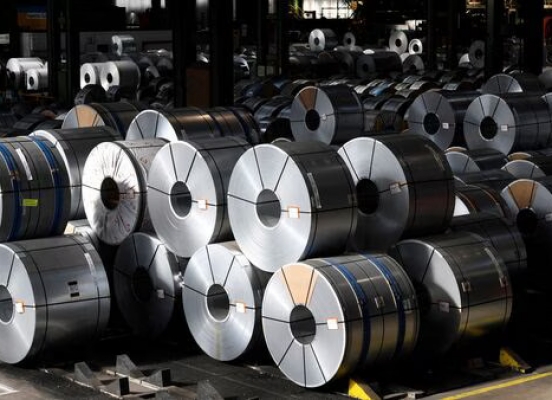
Steel Tariff Sparks MSME Concerns
Steel Safeguard Duty: Relief for Big Players, Worry for MSMEs

The Directorate General of Trade Remedies (DGTR) has proposed a 12% safeguard duty on select steel products to curb rising imports and support domestic manufacturers. While this move aims to protect India’s steel industry from cheap foreign imports, MSMEs fear it could lead to higher domestic prices, increasing their production costs and affecting their competitiveness. The safeguard duty is intended to counter the influx of lower-priced steel from countries like China, South Korea, and Japan. Domestic steelmakers argue that these imports hurt local businesses by undercutting prices. The proposed duty is meant to provide temporary relief, allowing Indian manufacturers to strengthen their market position. However, MSMEs, which rely heavily on steel as a raw material, are concerned that domestic prices will rise, making their operations more expensive. Many MSMEs operate on tight margins, and an increase in steel costs could reduce their ability to compete, both locally and in export markets. Industry representatives caution that past instances of tariff protection have led to monopolistic pricing, making steel less affordable for smaller businesses. To address these concerns, MSMEs are calling for an import quota system that would allow them to access a fixed amount of steel at lower or zero duty rates. This approach would ensure a steady supply at competitive prices while still limiting excessive imports that could harm domestic steel manufacturers. Experts suggest that an import quota would strike a balance, helping MSMEs maintain cost-effective production without undermining the safeguard duty’s goal of protecting Indian steelmakers. A transparent mechanism for monitoring domestic steel prices could further prevent price manipulation and ensure fair access to raw materials. The government faces the challenge of supporting the steel industry while ensuring that MSMEs are not burdened with high raw material costs. A hybrid approach—combining safeguard measures with targeted relief for MSMEs—could be the key to sustainable growth. Policymakers may need to explore phased implementation, subsidies for small enterprises, or periodic reviews to keep steel prices in check. As discussions continue, MSMEs are hopeful that their concerns will be addressed to maintain a level playing field. The final decision on the safeguard duty will have a significant impact on India’s manufacturing ecosystem, shaping the future of both large steel producers and the small businesses that drive economic growth.

You may also like