Social Commerce
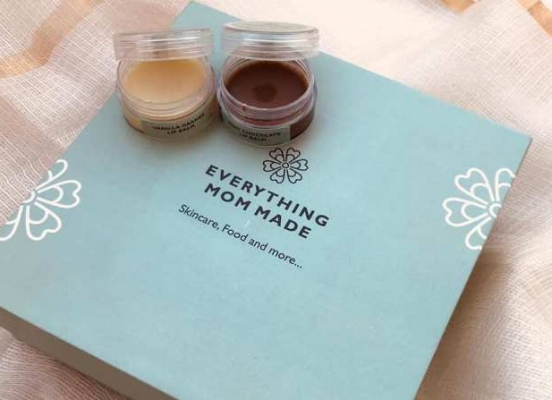
Everything Mom Made, a new social commerce model for small and medium businesses to transact

During the Covid-19 pandemic, Ritu Bhansali, who based Jaipur, started her skin-care brand, 'Everything Mom Made' on Instagram. In less than five months, Bhansali’s business page has been followed by 2,300 Instagram users. The company dispatched approximately 80 individual packages per month, in addition to servicing bulk orders for weddings, rituals and catering to a host of corporate. Bhansali says: “We were born on Instagram. The platform allows me to directly interact with my consumers.”
Fashion brand Doodlage doubled down on social media platforms after Covid-19 hit sales through brick-and-mortar outlets. Co-founder Kriti Tula says: "business grew three times compared to pre-Covid with the help of Facebook and Instagram. Not only the company has been able to ship domestically, but also developed its sales to Australia, Dubai, Singapore as well as Europe."
As a new model for small and medium businesses to transact, social commerce is emerging. The large number and variety of cheap smartphones and affordable data prices make it easy for consumers to access services on the internet. WhatsApp, Facebook and Instagram, with a collective reach of over 400 million users allow businesses to access the potential customers.
In fact, where Social Commerce is increasingly scoring over a typical e-commerce marketplace model is that it enables product discovery and conversation with brands to happen online. Analysts say using a catalogue is the only way of finding a product on e-commerce platforms like Flipkart and Amazon. But Social Commerce facilitates direct communication between buyers and sellers. Consumers can select the product demos through videos, helping them make conscious choices. As an example, Bhansali says the bouquet of features on Instagram like photo sharing, enabling video calls, hosting polls give her insights into her regular planning of the business. "The pandemic has hastened the acceleration of offline-to-online journeys even outside the metro cities, and we have seen an increasing number of small businesses come online from smaller towns," says Archana Vohra, director, small and medium businesses, at Facebook India.
Probably the companies have been fast to notice the distinguishing proposition of Social Commerce. Recently, Flipkart-owned independent platform 2GUD launched 2GUD Local. The online service allows local offline stores to display their products to consumers through long-format videos.
Radhika Sridharan, partner at Bain & Company, says "customers typically take time to acquaint themselves with new brands and the fact that social commerce equips consumers to buy through familiar groups and individuals or purchase directly via the seller makes all the difference." It is estimated that Social Commerce, which is a $1.5 billion to $2 billion market today, is worth as much as $20 billion in just five years; and it will likely hit nearly $70 billion by 2030, according to a recent report by the consultant. According to Ankur Pahwa, partner at EY, the influencer and network-led approach will help brands reach tier III cities and beyond. “Social commerce is going to take off,” says Pahwa.
Besides social media-led product discovery, business models like reselling and group-buying have also evolved within the space. The idea is to be able to reach end consumers through their contact base.
Meesho follows a reselling model. Suppliers list their product catalogue on the Meesho app, which can be sold in turn by individual entrepreneurs to their contacts through leveraging their network on Facebook and WhatsApp. Founder Vidit Aatrey says a lot of suppliers have been able to grow ten times since they have started on the platform. Using Meesho, more than 50,000 suppliers and 8 million entrepreneurs run and manage their business. "Over the years we have seen that categories like fashion, apparel, lifestyle, home decor form a larger share of the business,"says Aatrey.
Jaipur-based DealShare acumulate the products from local manufacturers and sells them to customers via the DealShare App; they promotes their deals on WhatsApp groups. Users are given a discount every time they refer the products to the others. The company supports more than 10,000 small businesses and claims that they have seen as much as seven times to 15 times annual growth after the partnership with DealShare.

You may also like