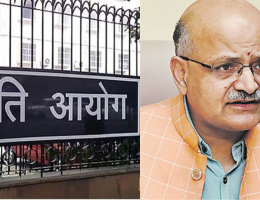
A big move is afoot on the EU-style digital competition law

The Digital Competition Bill (DCB) under consideration in India is a significant development that reflects the country's growing digital economy and its need for regulatory frameworks to ensure fair competition and protect consumer interests. The proposed DCB is inspired by the EU's Digital Markets Act (DMA) and the UK's ex-ante regulations, which are designed to prevent anti-competitive practices by large digital platforms before they occur.
This MeitY Secretary-chaired meeting on 13th June and subsequently on 18th June, assumes importance as Big Tech are understood to have expressed their serious concerns over DCB.
The Ministry of Electronics and Information Technology (MeitY) is playing a crucial role in shaping this legislation, and the meetings with industry stakeholders are essential for gathering feedback and ensuring that the final bill strikes a balance between promoting innovation and protecting competition.
The concerns raised by industry associations and big tech companies are not surprising, as ex-ante regulations can significantly impact their business models. These companies may worry about the potential for increased regulatory scrutiny, restrictions on their operations, and the costs associated with compliance.
However, the government's aim is to create a level playing field for all participants in the digital market, including smaller players and startups, which may be disadvantaged by the dominance of large tech companies. The DCB could address issues such as self-preferencing, data abuse, and unfair terms for businesses and consumers.
The involvement of the Corporate Affairs Ministry (MCA) and the Competition Commission of India (CCI) in the discussions highlights the inter-ministerial approach to digital competition regulation. This collaborative effort is crucial for developing a comprehensive regulatory framework that can adapt to the rapidly evolving digital landscape.
The US-India Business Council's (USIBC) letter to the MCA reflects the international implications of India's digital competition law. As global tech giants like Amazon, Apple operate across borders, regulations in one country can have ripple effects on their operations worldwide. The USIBC's concerns may be related to the potential impact on their members' businesses and the precedent that India's regulations could set for other countries.
In conclusion, the DCB is a significant step towards regulating digital markets in India, and the upcoming meetings are critical for gathering input from various stakeholders. The government's willingness to engage with industry representatives and consider their concerns is a positive sign for the development of a balanced and effective regulatory framework. As India's digital economy continues to expand, the DCB could play a pivotal role in shaping its future.

You may also like