European Union’s Draft On Carbon Border Adjustment Mechanism And It’s Implications On The Indian MSME Sector

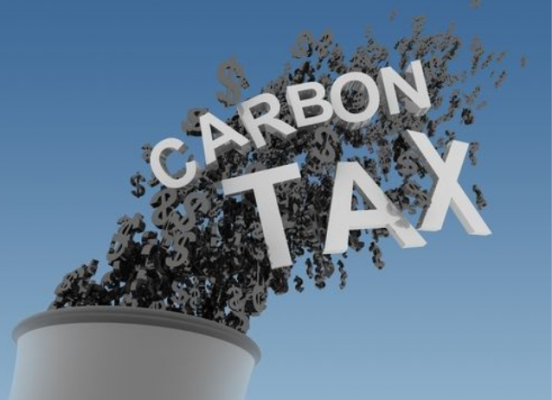
The Commission presented its proposal for a regulation establishing a Carbon Border Adjustment Mechanism (CBAM) on 14 July 2021. The measure, which will affect steel, cement, and aluminum producers in countries with laxer (having low standards) environmental regulations, will raise commodity prices and reroute trade flows. The Council reached agreement (general approach) on the Carbon Border Adjustment Mechanism (CBAM) regulation, which is one of the key elements of the European Union’s 'Fit for 55' (EU's target of reducing net greenhouse gas emissions by at least 55% by 2030) package.

The primary goal of this environmental measure is to prevent carbon leakage. It will also encourage partner countries to implement carbon pricing policies in order to combat climate change.
The European Union is a key export market for India and is India's third largest trading partner. Of particular importance to India are the exports of aluminum, iron and steel, exports from India to the European Union of base metals and minerals, including iron, steel and aluminum, accounted for approximately 4 percent of all exports in 2020. The Imposition of the CBAM will thus affect a significant share of India’s exports to the European Union, and Indian goods will run the risk of becoming less competitive in the EU market due to the financial and administrative burden imposed by the CBAM.
The following are some of the pros and cons for the Indian MSMEs :
.png) India's MSME businesses should therefore closely monitor the CBAM-related developments and make sure that they are ready for the measure's implementation. The Indian MSME's as well as the countries across the world need to take the resolution of CBAM by the EU as a positive step to achieving a Carbon neutral world and contribute by adopting environment friendly measures.
India's MSME businesses should therefore closely monitor the CBAM-related developments and make sure that they are ready for the measure's implementation. The Indian MSME's as well as the countries across the world need to take the resolution of CBAM by the EU as a positive step to achieving a Carbon neutral world and contribute by adopting environment friendly measures.

You may also like