GST Simplification Key for MSMEs
GST Rationalisation - A Simpler Tax Regime to Empower MSMEs and Drive Growth

When the GST was introduced in 2017, it was celebrated as a landmark reform to simplify India’s indirect tax system and create a unified market. In many ways, it has delivered—bringing transparency, curbing cascading taxes, and widening the tax base. Yet, over time, the structure has also revealed its complexities, particularly for India’s MSMEs, which form the backbone of the economy.
For years, GST was spread across multiple slabs—0%, 5%, 12%, 18%, and 28%—along with additional cesses. While this allowed differentiation between essentials and luxuries, it also created confusion and disputes. For large corporations with tax experts, these were irritants; for MSMEs, they became hurdles that drained time, capital, and energy. Small enterprises often lacked the resources to navigate classification disputes or handle the compliance burden of multiple filings, leading to avoidable friction.
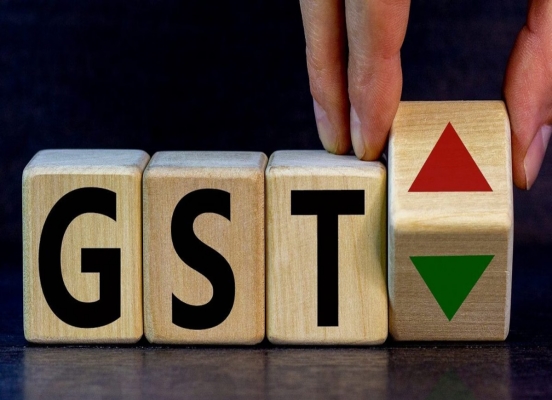
Now, India is preparing for the next big leap in GST reform. The government has proposed a simplified structure with just two main slabs—5% and 18%—and a higher 40% levy on sin and luxury goods. The 12% and 28% brackets are set to be scrapped, with most items shifting to either 5% or 18%. This rationalisation, to be discussed in the upcoming GST Council meeting on September 3–4, 2025, is expected to reduce ambiguity, lower litigation, and bring much-needed predictability to businesses.
For MSMEs, the impact could be transformative. Many goods that were earlier taxed at 28%—including consumer durables, entry-level automobiles, cement, and affordable garments and footwear—are expected to move to 18%. This would lower costs by 7–10% in some cases, making products more affordable, boosting demand, and improving cash flow for small manufacturers and traders. A cleaner structure would also free up capital and give MSMEs more breathing space to invest in growth rather than paperwork.
One long-standing issue that still requires attention is the inverted duty structure. Many MSMEs find themselves paying more tax on inputs than they collect on outputs, leaving them dependent on refunds to maintain liquidity. Refund delays, often stretching months, disrupt cash flows and force businesses into cycles of borrowing and repayment. Industry bodies have urged the government to introduce automatic ITC refund mechanisms to prevent working capital from getting locked up—a task that remains crucial for MSMEs’ survival.
Predictability is vital for entrepreneurs, particularly MSMEs, who value stability as much as low tax rates. The proposed two-slab GST system is expected to remove much of the confusion around classifications and reduce disputes, giving businesses the clarity they need to plan and expand with confidence.
Simplification will also benefit consumers by ensuring that essentials are not taxed unfairly while discretionary items face appropriate rates. This balance can ease household budgets, boost demand, and strengthen market opportunities for MSMEs engaged in manufacturing and trade.
That said, challenges remain. Petroleum and electricity—critical for energy-intensive industries—are still outside GST, and states worry about revenue implications. Yet, international experience shows that simpler tax systems can expand compliance and revenues. If implemented well, “Next-Gen GST” could be the reform that empowers MSMEs and supports India’s journey toward a $5 trillion economy.

You may also like