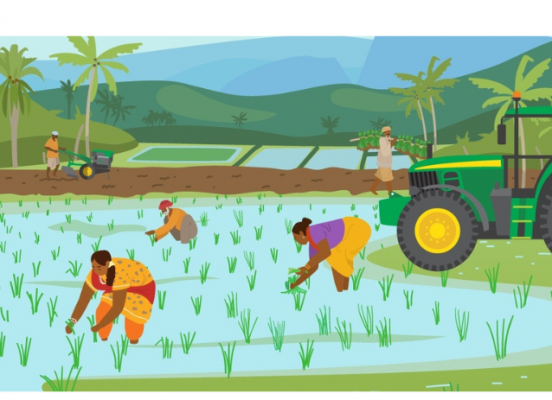
Patchy rainfall could affect kharif output and the MSMEs from agriculture sector.

With the main kharif sowing season now coming to an end, it seems fairly certain that the nearly 10% surplus rainfall till mid-August might not yield commensurate gains in farm production. In fact, on the contrary, the uneven spread of this precipitation, over both time and space, might adversely affect the plantings and, more so, the production of some key crops, including the main kharif cereal rice. MSMEs, particularly the Co-operatives from the agriculture sector would be gravely affected by the deficit in the kharif output. Though the area under commercial crops like cotton, sugarcane and soybean has expanded, the output outlook is far from upbeat because of rain-related issues. While the final outcome would depend on the monsoon’s performance in the remaining part of the season and the post-monsoon showers in October, the concern about the likely dip in the production of some important crops and its repercussions for inflation remain unabated.

The biggest worry is about the huge lag in paddy sowing in the Eastern Gangetic rice-growing belt of Uttar Pradesh, Bihar, West Bengal, Jharkhand and the adjoining areas. The deficiency in monsoon rainfall in this tract varies from 35% in the Gangetic West Bengal to as high as 47% in eastern UP, causing nearly drought like conditions. This is causing worldwide concern because India has emerged as the largest exporter of rice and a major contributor to global food security, especially since the beginning of the Russia-Ukraine Conflict. Last year, India exported a record 21 million tons of rice, accounting for about 40% of the global trade. Any curbs on rice exports by India, on the lines of those on wheat and sugar, would have grave implications for global food availability and prices.
While that is the situation in the northern half of the country, the central and peninsular India, on the other hand, has had to cope up with excess rainfall. Torrential showers at many places in Madhya Pradesh and Maharashtra have, in fact damaged the young crops, necessitating replanting in several areas. Among the commercial crops cotton, cotton is reported to have seen the largest gain in acreage, countrywide, majorly due to high ruling price of this natural fibre in the domestic and export markets. But the standing crop in many states is said to be in a poor shape due to the onslaught of dreaded pests like the whitefly and pink bollworm. The major northern cotton belt, spanning Punjab, Haryana and Rajasthan, is said to be the worst-hit.
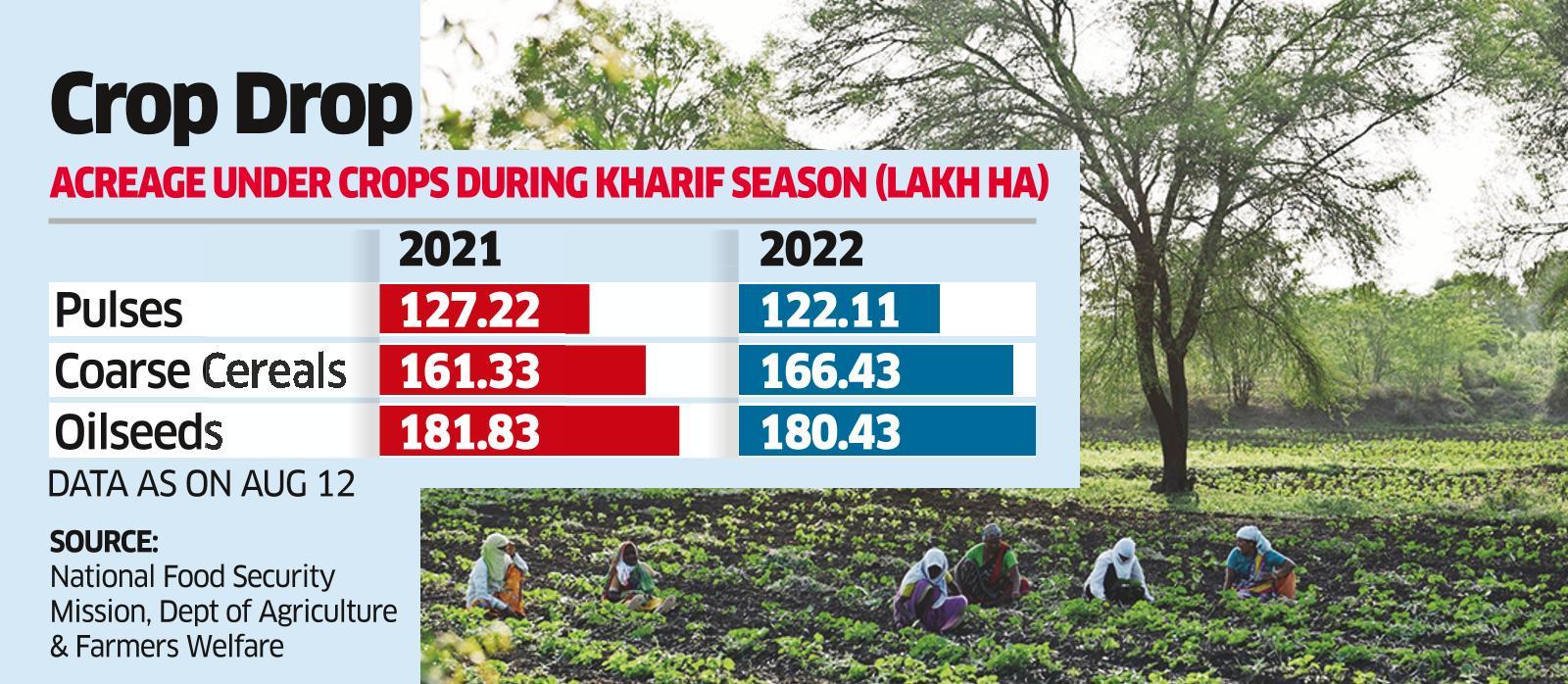 The above data illustrates the Output of Pulses, cereals and oilseeds during the Kharif season in India .
Weakening immunity of the genetically modified Bt-cotton against the pink bollworm is held primarily responsible for the re-emergence of this pernicious pest. While the cotton crop may partly be salvaged through pesticide spraying, in the case of rice, the government would need to step in with amendments to its grain management policies. Though any curbs on rice exports would be ill-advised at this stage in the view of the abundant stocks in the government’s grain coffers- nearly 2.5 times the quantity needed to be held as buffer and strategic reserve- the use of rice for ethanol production would need to be reconsidered. Government should step in to safeguard the farmers, farmer associations and co-operatives from such challenges that often arise due to irregular rainfall in our country.
Source: Opinion section of The Business standard Newspaper

You may also like