Trump’s 25% Tariff Shakes Global Trade
Trump’s 25% Tariff: Impact on Trade and Industry

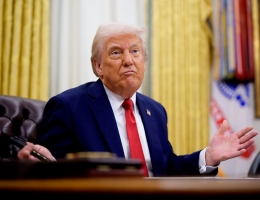
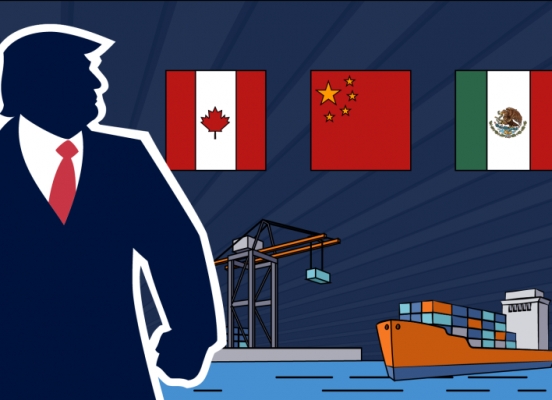
Former U.S. President Donald Trump has announced the immediate imposition of a 25% tariff on all steel and aluminum imports, marking a significant departure from previous policies that granted exemptions to key trading partners such as Canada and Mexico. This move signals a renewed commitment to protectionist trade measures, aimed at strengthening domestic manufacturing and addressing long-standing trade imbalances. However, the decision is expected to have far-reaching economic and diplomatic consequences, potentially straining relations with allies and increasing costs for industries reliant on imported metals. As global markets react, the move underscores the ongoing debate between economic nationalism and free trade, raising critical questions about its long-term impact on both the U.S. economy and international commerce.
The announcement has triggered strong international reactions. Canadian Premier Doug Ford has criticized the tariffs, warning of potential job losses and economic instability across North America. Similarly, French President Emmanuel Macron has expressed concerns about rising costs for U.S. consumers and the broader implications for global trade. Meanwhile, Australian Prime Minister Anthony Albanese is seeking an exemption for Australian steel and aluminum exports, which contribute $638 million annually to the country’s economy. The Australian government has emphasized its commitment to free and fair trade while highlighting the importance of protecting jobs in the sector.
This latest trade action draws parallels to Trump’s first-term tariffs in 2018, which were imposed under the Section 232 national security provision and later modified by President Biden. While those tariffs were initially aimed at boosting domestic steel and aluminum production, they also led to retaliatory measures from key allies, higher costs for manufacturers, and disruptions in global supply chains. Trump’s decision to reinstate and expand these tariffs signals a return to a protectionist trade policy, prioritizing domestic industry and trade balance correction over international collaboration.
Economically, the tariffs are expected to have far-reaching consequences. While they may provide relief to U.S. steel and aluminum producers, they could also increase costs for industries reliant on these materials, such as automobile manufacturing, construction, and aerospace. Higher import costs could contribute to inflationary pressures, impacting both businesses and consumers. Moreover, other countries may introduce counter-tariffs, further straining global trade relations and escalating tensions with allies.
As the situation develops, businesses, policymakers, and global markets are closely monitoring the potential fallout. With Trump’s trade policies once again taking center stage, the world braces for another period of economic uncertainty, potential retaliatory measures, and shifting geopolitical alliances.

You may also like