Credit Is Finally Flowing to Indian MSMEs: The MCG Scheme

India's small manufacturers have long had a straightforward problem: they know what machines they need, but they cannot get a loan to buy them. Banks want collateral. MSMEs, especially younger or asset-light ones, do not have enough of it. The Mutual Credit Guarantee Scheme was built to fix that, and the government just made it cheaper to use.
What the scheme actually does
MCGS-MSME provides a guarantee to banks and NBFCs when they lend to small businesses. The lender takes on less risk, so they lend more freely. The borrower gets credit that they would likely have been denied otherwise. It is not a subsidy; the MSME still repays the loan in full, but the guarantee is what makes the bank say yes in the first place. For small businesses that have spent years being turned away by formal lenders, that distinction is everything.
What changed
The amendment focuses specifically on loans for Plant, Machinery, and Equipment. For MSME exporters, the upfront contribution, i.e., the amount they pay to access the guarantee, is now fixed at 2% of the loan, capped at ₹40 lakh.
That cap matters more than it might seem. A manufacturer seeking a ₹5 crore loan for a new production line would earlier face a proportionally higher cost just to get the guarantee in place. Now, their contribution tops out at ₹40 lakh regardless of loan size. For businesses that have been putting off equipment upgrades because of this upfront burden, that is a concrete and immediate difference, not a policy promise, but a number that changes the calculation today.
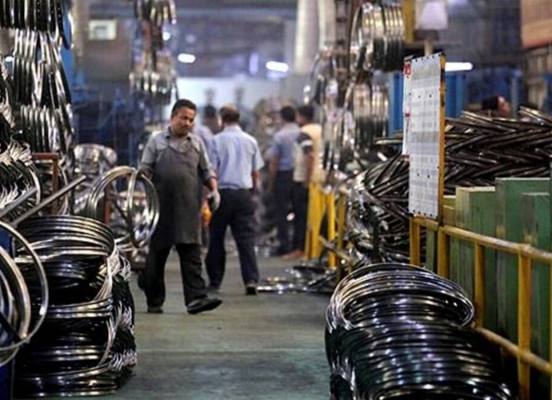
A lot of Indian MSME exporters are competing in markets where buyers have tight quality and delivery requirements. Old equipment means slower output, higher rejection rates, and limited ability to take on large or repeat orders. Upgrading is not optional; it is what keeps you on the approved vendor list.
This is also not happening in isolation. India is deep into trade negotiations with the US, EU, and Canada. Fresh market access only helps if Indian exporters can supply at the volumes and standards those agreements demand. A garment unit in Surat or a precision parts maker in Pune needs modern machinery to even be in that conversation. The amendment acknowledges that credit access and export competitiveness are the same problem, not separate ones.
Part of a wider push
This amendment sits alongside several other recent moves. The government launched a ₹497 crore RELIEF scheme covering freight and insurance cost relief for exporters hit by global shipping disruptions. A separate Credit Guarantee Scheme offers collateral-free credit up to ₹20,000 crore for eligible exporters, including MSMEs. Ten of eleven interventions under the Export Promotion Mission are now operational.
Taken together, the government is trying to solve multiple parts of the same bottleneck at once: cheaper credit, lower logistics costs, better market access, and now, lower barriers to capital investment. Whether MSMEs on the ground can absorb and act on all of it quickly is a fair question. But the policy direction is clear and, for once, fairly coordinated.

You may also like