Export Financing Strategies for MSMEs to Navigate the New US Tariff Landscape

Indian MSMEs are confronting an unprecedented challenge in 2025: sudden and steep tariffs imposed by the United States on a wide swath of export products. With headline US tariff rates surging by 50% for sectors such as textiles, carpets, gems, chemical products, and more, thousands of exporters face immediate disruptions in cash flow and commercial viability. In this context, strengthening export financing emerges as a business priority and a survival strategy for MSMEs aiming to stay resilient and competitive in global trade.
Exporting, even in normal times, demands substantial working capital for raw material procurement, production, compliance, logistics, and customs. US tariffs now amplify these costs, lengthening payment cycles and shrinking margins. MSMEs are at risk of running out of liquidity, with small exporters hit hardest due to limited resources and bargaining power. Thus, improving access to reliable, affordable export finance is critical for cash flow management and risk mitigation.
What Are the Latest Government Measures?
In response, the Indian government has rolled out a set of supportive measures in the Union Budget 2025-26 and new scheme launches:
- Enhanced credit guarantee cover that now secures up to 95% of loan value for small enterprises and 75% for medium entities, making collateral-free loans available up to ₹20 crore.
- Introduction of credit cards for microenterprises and extension of allocations under the Credit Linked Capital Subsidy Scheme (CLCSS) and Interest Equalisation Scheme.
- Export Promotion Mission: This new holistic strategy emphasises easier compliance, digital adoption, infrastructure upgrades, and support across the export supply chain, making MSMEs more resilient to shocks and competitive globally.
Modern Financing Tools for MSMEs
Export-oriented MSMEs now have access to a range of financial products tailored for their needs:
- Pre-shipment finance: Packing credit and working capital loans fund the manufacturing and procurement of export goods.
- Post-shipment finance: Bill discounting, export factoring, and invoice financing offer cash against shipment receivables, helping MSMEs get instant liquidity instead of waiting for payments.
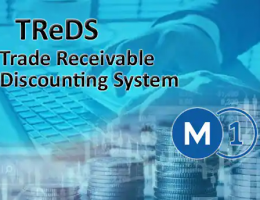
- Trade finance platforms and fintech: TReDS and similar platforms enable MSMEs to discount invoices digitally and secure payments from verified buyers within 24-72 hours.
- Export credit insurance: ECGC policies protect MSMEs against foreign buyer defaults and political risks and allow easier access to bank finance at reduced risk.
Action Plan: Building Resilience
To strengthen export financing, MSMEs should:
- Maintain clear, up-to-date financial records, which are essential for faster loan approval and trustworthy partnerships.
- Register for new government support schemes for exports, credit guarantees, and fintech platforms.
- Approach export-oriented banks and leverage tailored products such as post-shipment credit, factoring, and export insurance.
- Explore non-US markets using trade agreements to diversify export destinations and reduce tariff exposure.
As export dynamics shift under the weight of US tariffs, MSMEs must adapt rapidly and strategically. By leveraging enhanced government initiatives, embracing fintech solutions, and diversifying markets, MSMEs can weather near-term shocks and build sustainable competitiveness in global trade. In 2025, proactive engagement with export finance is no longer optional; it is the key to growth, survival, and future resilience.

You may also like