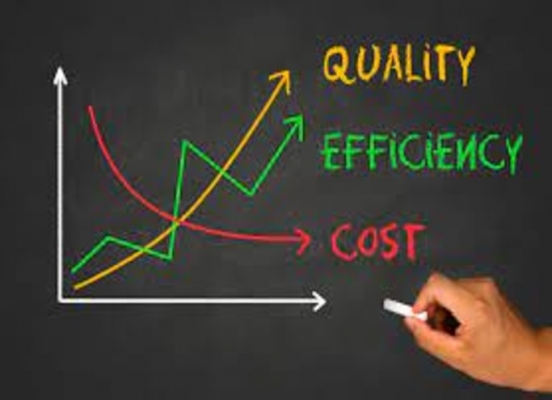
Cost Cutting- Made Easy for MSMEs

Expenses of MSMEs are increasing each day, cost of operating a business is breaking new ceilings every day. Businesses are fearful of the impact of high inflation, repo rates, and wages and salaries.
Small businesses probably are already running lean in order to keep expenses under control. However, the potential of an economic slump or slow season might convince you to take more drastic cost-cutting measures. Recently, we have witnessed the trend of a firing spree in Indian startups and small businesses.
While these swift cost cuts might seem to be an effective remedy for saving funds in the short term, focusing solely on this approach can create a vicious cycle of cost-cutting, lowering the standard of your product or service, and suppressing employee morale. A more viable strategy is to identify potential savings that can be sustained in the long run, compared to merely lowering costs for the time being.
Now talking about how MSMEs can strategically identify ways to cut operating costs.
#1. Plan in advance to prioritize cost-cutting measures
This method entails taking a close look at your small business's essential functions and expenditures in order to understand your cost factors and identify areas where you can cut costs. This one-time cost-cutting strategy focuses on reducing or eliminating existing non-essential or unnecessary expenses, such as a 5% to 10% reduction to each budget item in a quarter.
#2. Optimizing present resources to raise the standard
This is a proactive strategy that goes above acute cuts and concentrates on optimizing costs to lower the cost of current resources. For example, software can be used to automate costly business operations such as onboarding new employees or clients. Some examples include: sharing assets or tools across departments to increase resource efficiency, digitizing information and automating repetitive tasks, and so on.
#3. Invest in new capacities to boost business value.
Extend your cost-cutting efforts to invest in new growth opportunities that will generate long-term value. While investing in these new opportunities will cost you money, those costs will most likely be offset by the profits you see over the next few months or years.
This is a great strategy to use when the market is down so that you can profit when the market recovers. It goes beyond using automation to reduce costs and involves rethinking your small business's entire cost structure. This can be accomplished through the use of new technology such as artificial intelligence (AI) and machine learning (ML) to improve decision-making and customer experience, the acquisition of inexpensive assets or new talent through mergers and acquisitions (M&As), and the development of new products.

You may also like