The resurgence of MSMEs in India

The Indian Micro, Small and Medium Enterprises (MSME) businesses form the backbone of India’s manufacturing and services sectors. It is reported that about 99% of the enterprises in India are either micro or small in size. The Indian MSME industry is expected to contribute about 50% to the country’s GDP by 2025. The industry is the second-largest employment generator in India as of FY 2022, with more than 111 million people employed.
The impact
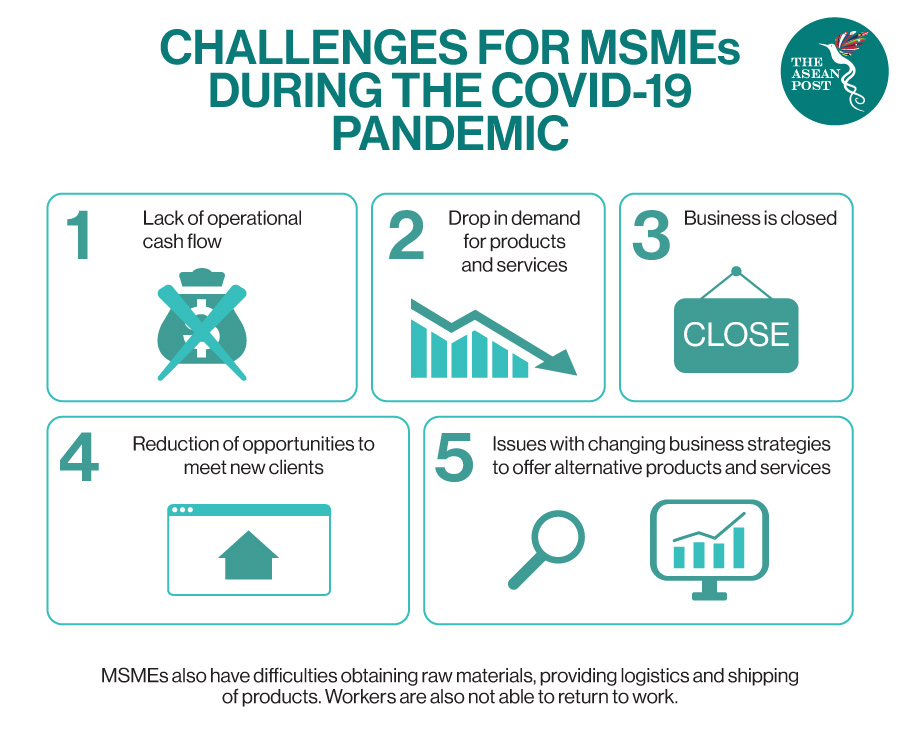 The MSME sector took a significant hit during the pandemic. Nearly 5,900 businesses shut down during FY 2020-21 and 2021-22. With a substantial part of MSME business transactions being dealt with in cash, the working style, low scale of operation, and poor financial management put businesses in a difficult position with the unexpected onset of Covid-19. Most MSMEs faced issues such as having access to finance, marketing their products, and even struggling to cover expenses such as employee salaries, office rent, bills, taxes, and loans EMIs. On the other hand, lenders became circumspect and, to a certain extent, downsized their commitments. To overcome the crisis, the resurgence of MSMEs became a high priority.
Road to recovery
India has made tremendous progress towards digitisation, which turned out to be the key, especially post Covid, to creating a new business environment. The utilisation of digitisation for facilitating remote transaction management, efficient delivery of goods, and easier access to financial services alleviated issues and accelerated recovery. Adopting digitally enabled operations in short to medium term benefited the industry. Manufacturing had the highest adoption rate, adopting or upgrading their usage of digital platforms, compared to the services sector. Social media platforms for marketing or selling items and services were also productive. With direct digital payments and eliminating intermediaries, margins improved for businesses while enabling them to reach broader geographies.
Initiatives taken by the Government and the regulators and belt-tightening by MSMEs have been showing positive results. With sales in the MSME reaching 88% of the pre-pandemic levels and capacity utilisation in many industries nearing 70%, it is heartening to know that most entrepreneurs are confident about business recovery after the economic slowdown due to the pandemic.
Ongoing concerns
 Every industry endures a struggle of some kind. Even though India has climbed up in the World Bank’s Ease of Doing Business index, the system has various drawbacks that deter businesses from expanding or succeeding. Multiple regulations and approvals causing delays in obtaining licenses, insurance, and certifications, hamper the growth prospects of MSMEs. Also, MSMEs face unavoidable issues such as the present geopolitical turmoil between Russia and Ukraine, impacting the supply chains and fuel inflation. There’s a dire need for support from all sides to use the potential of MSME in India fully.
Sustenance
The Govt of India has launched the “MSME Innovative” Scheme to help MSMEs scale up through the guidance, financial assistance, technical assistance, and other means that directly benefit society and are successfully marketed by the MSME Ministry. If implemented well and on a large scale, measures such as this can help the sector channelise the natural spirit of innovation among entrepreneurs correctly and help create a more robust industry.
There is also a need to consider appropriate transformations to enable MSMEs to withstand volatility in the domestic and global economic environment. The support needs further enhancement to promote innovation and upscale MSMEs to withstand global competition.
If India must become a $ 5 trillion economy and provide employment to its ever-growing young population, a vibrant, sturdy, and innovative MSME sector is of the greatest importance.
Source : The Times of India

You may also like