Guidelines for Missions Abroad: India Sharpens Its Export Push

India has taken a decisive step to strengthen its export strategy by issuing fresh guidelines for Indian commercial missions abroad. At a time when global trade is facing uncertainty, slowing demand, and rising protectionism, the government is repositioning embassies and trade offices as active drivers of export growth rather than passive diplomatic outposts. The move signals a more structured, data-driven, and outcome-oriented approach to market access for Indian exporters.
The new guidelines clearly define the role of Indian missions in supporting exports through market diversification and deeper engagement with host countries. Commercial wings abroad have been tasked with identifying non-tariff barriers that restrict Indian goods, supporting market-entry efforts, conducting trade intelligence and market research, and improving planning and resource deployment for export promotion activities. Importantly, missions are now expected to align their trade promotion work closely with India’s existing Free Trade Agreements to improve utilisation of negotiated benefits.
This marks a shift from earlier, largely event-driven trade promotion to a more systematic approach. Indian missions are being positioned as the first point of contact for resolving regulatory issues, understanding local standards, and mapping buyer demand. By focusing on intelligence gathering and structured engagement, the government aims to ensure that export promotion abroad is grounded in real market opportunities rather than generic outreach.
For exporters, particularly MSMEs, this development is significant. Smaller firms often lack the resources to navigate foreign regulations, identify reliable buyers, or understand complex non-tariff measures such as certification requirements, product standards, or labelling rules. These are precisely the areas where Indian missions can play a catalytic role. With clearer mandates, trade officials abroad are expected to proactively support exporters facing such hurdles, rather than reacting only when disputes escalate.
The emphasis on leveraging Free Trade Agreements is equally important. India has signed multiple FTAs in recent years, but utilisation rates have remained uneven, especially among MSMEs. By directing missions to align promotional activities with FTA benefits, the government is attempting to close the gap between negotiated trade access and actual on-ground usage. This could help exporters better understand tariff advantages, rules of origin, and product-specific concessions in different markets.
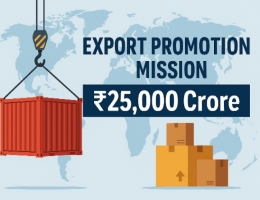
This initiative also complements broader export reforms underway, including the Export Promotion Mission, trade intelligence platforms, and credit support mechanisms for exporters. Together, these measures point toward a more integrated export ecosystem where policy, finance, and overseas market facilitation work in tandem.
At a macro level, the guidelines reflect India’s intent to move beyond reliance on a few traditional markets and actively pursue diversification. With geopolitical risks and supply chain shifts reshaping global trade, market intelligence and proactive engagement have become critical tools for sustaining export momentum.
Overall, the new guidelines do not introduce a new scheme but strengthen the delivery mechanism of India’s export strategy. By making overseas missions more accountable, data-oriented, and aligned with national trade priorities, the government is reinforcing the institutional backbone of India’s export ecosystem. For exporters, this signals a more supportive and responsive presence abroad one that could play a meaningful role in navigating global markets more effectively.

You may also like